Fish details
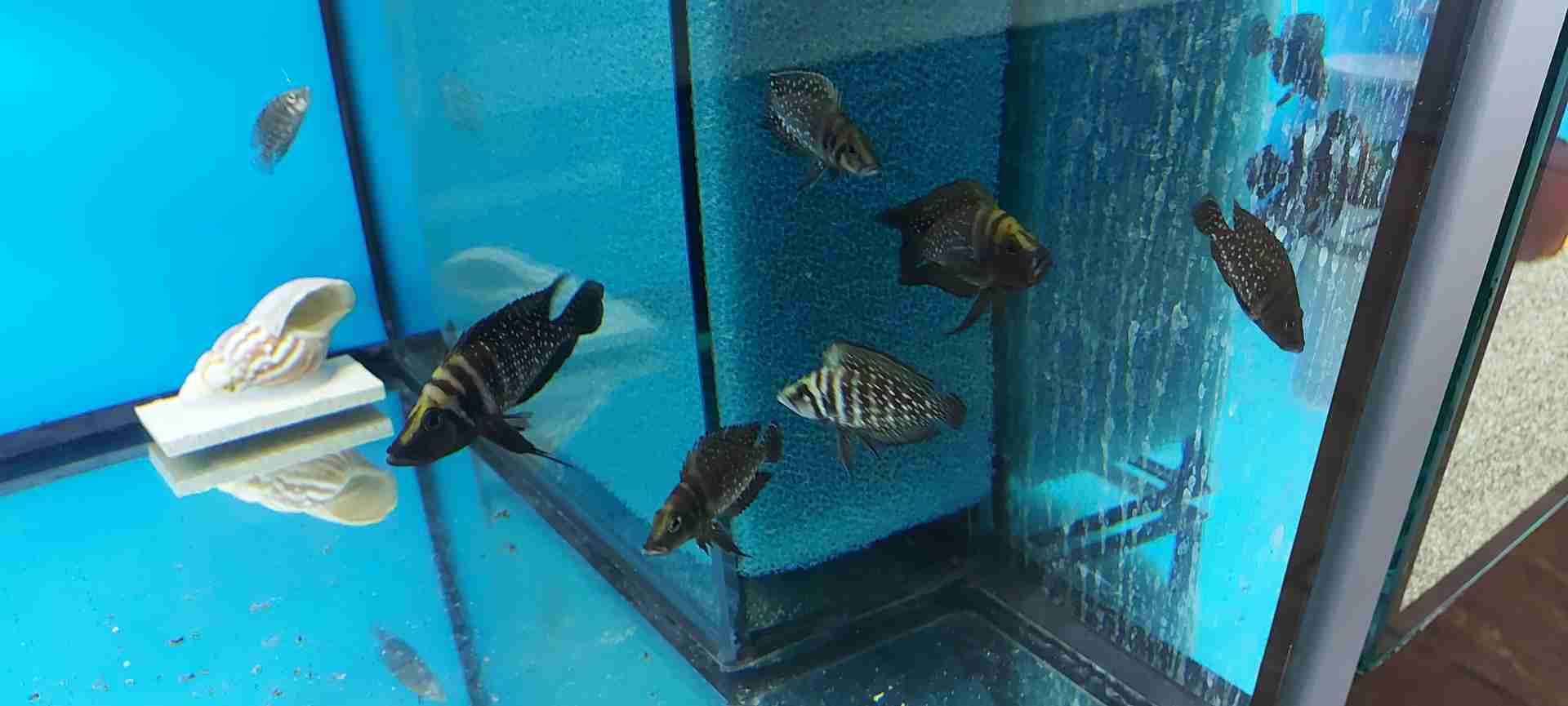
Altolamprologus Calvus Black Pectoral Lupota F1
Altolamprologus calvus “Black Pectoral – Lupota”, one of the most sought-after Lake Tanganyika shell/rock predators, prized for its armor-like body and slow, deliberate behavior.
🐟 Altolamprologus calvus “Black Pectoral – Lupota” — Species Description
📏 Size
Adult size:
12–14 cm (4.5–5.5 inches)
Femal...
More info
Description
tanganyika
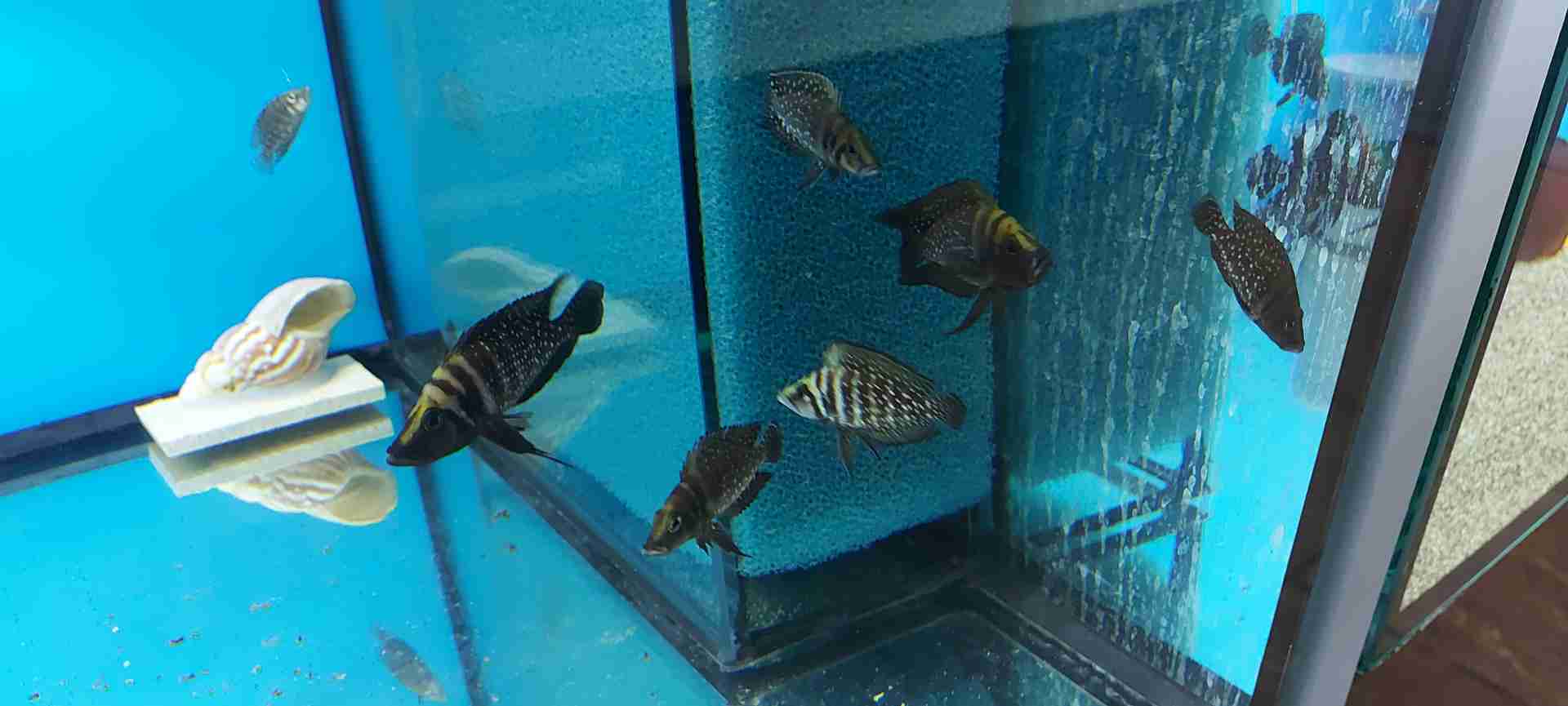
Altolamprologus Calvus Black Pectoral Lupota F1
Altolamprologus calvus “Black Pectoral – Lupota”, one of the most sought-after Lake Tanganyika shell/rock predators, prized for its armor-like body and slow, deliberate behavior.
🐟 Altolamprologus calvus “Black Pectoral – Lupota” — Species Description
📏 Size
Adult size:
12–14 cm (4.5–5.5 inches)
Females are smaller and slimmer
Males develop:
Longer fins
Broader head and body
🌍 Occurrence (Natural Origin)
Endemic to Lake Tanganyika, East Africa
Lupota is a true geographic locality
Habitat:
Rocky cliff faces and crevices
Often found at moderate to deeper depths
Lives among cracks where it can wedge its compressed body
“Black Pectoral” refers to the distinctively dark pectoral fins seen in the Lupota population — a key locality trait.
🎨 Appearance
Body:
Tall, laterally compressed (“knife-like” profile)
Covered in large, hard, armor-like scales
Coloration:
Jet black to charcoal grey
Scattered white to silver pearly spots
Fins:
Deep black pectoral fins
Dorsal and anal fins edged in pale blue or white
Eyes:
Large and forward-facing — adapted for hunting in crevices
🍽️ Diet (Preferred Food)
In the wild:
Carnivorous micro-predator
Feeds on:
Small fish
Fry
Crustaceans
Invertebrates hidden in rocks and shells
In the aquarium:
High-quality carnivore pellets
Frozen foods:
Mysis shrimp
Krill (small pieces)
Chopped shrimp
Occasional live foods (optional, disease-free)
⚠️ Avoid fatty foods and feeder fish.
🧠 Behavior & Temperament
Calm, slow, and deliberate
Not aggressive in the Mbuna sense, but highly predatory
Will eat:
Small fish
Fry
Shell dwellers’ young
Territorial only around its chosen rock crevice
Best kept:
As a pair, or
With larger Tanganyika species
🏞️ Preferred Aquarium Conditions
Tank size:
Single or pair: 200–250 L (55–65 gallons)
pH: 8.0–9.0
Hardness: Hard to very hard
Temperature: 24–26 °C (75–79 °F)
Substrate: Sand
Décor: Heavy rockwork with deep cracks and caves
Low light is preferred — this species dislikes bright illumination.
🧾 Quick Summary
Feature Details
Scientific Name Altolamprologus calvus
Locality Lupota
Variant Black Pectoral
Lake Tanganyika
Adult Size 12–14 cm (4.5–5.5 in)
Diet Carnivorous
Temperament Calm but predatory
Best Setup Rocky Tanganyika tank
⚠️ Critical Compatibility Note
Do NOT mix with:
Malawi cichlids (Mbuna, Peacocks, Haps)
Small Tanganyika shell dwellers (Neolamprologus multifasciatus, etc.)
Good companions (with space):
Cyphotilapia frontosa (juveniles only if size allows)
Julidochromis
Larger Neolamprologus species
🧠 Expert Insight
Altolamprologus calvus is not about speed or aggression — it’s about precision and patience. Its body is designed to slide into cracks and extract prey other fish can’t reach.
Photos
tanganyika
Altolamprologus Calvus Black Pectoral Lupota F1 1
 Luk&Raf