Fish details
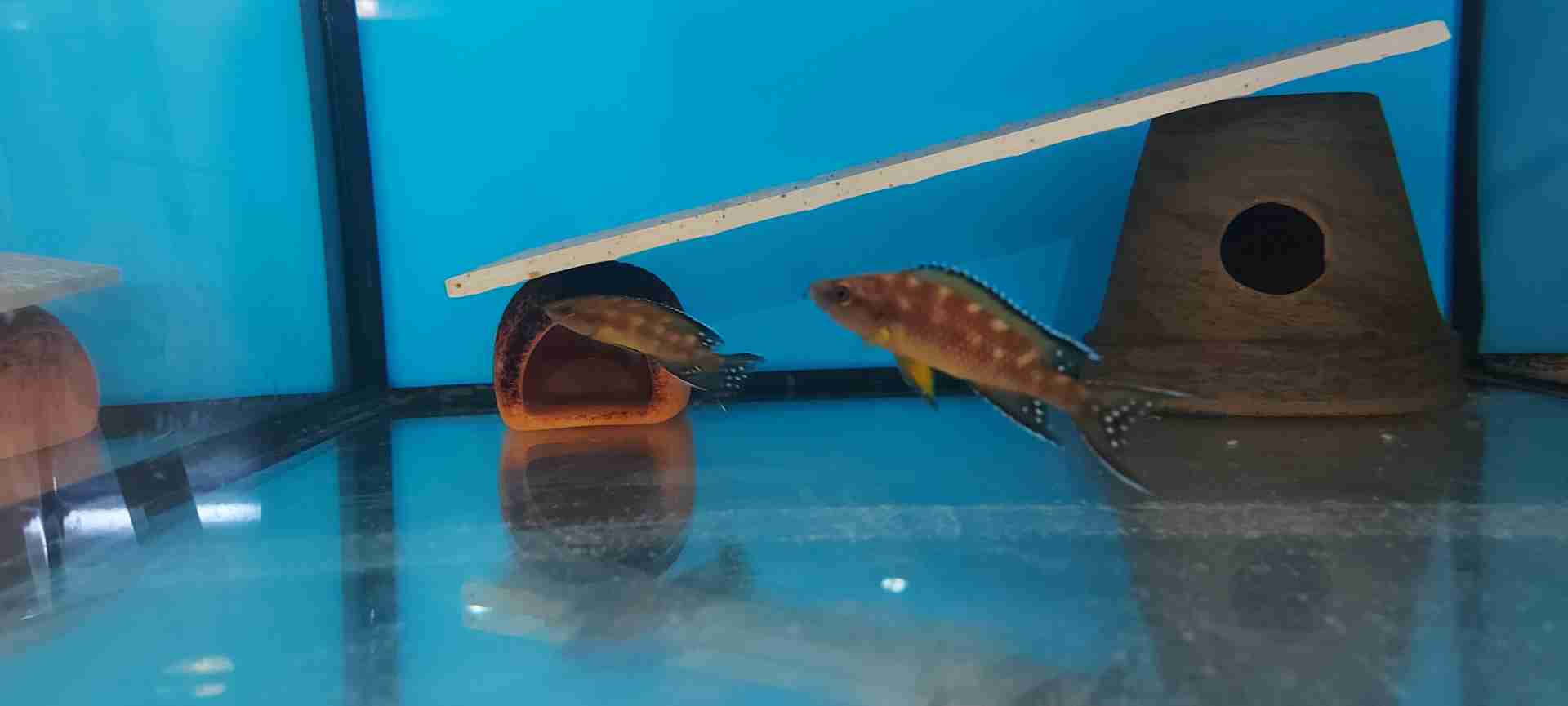
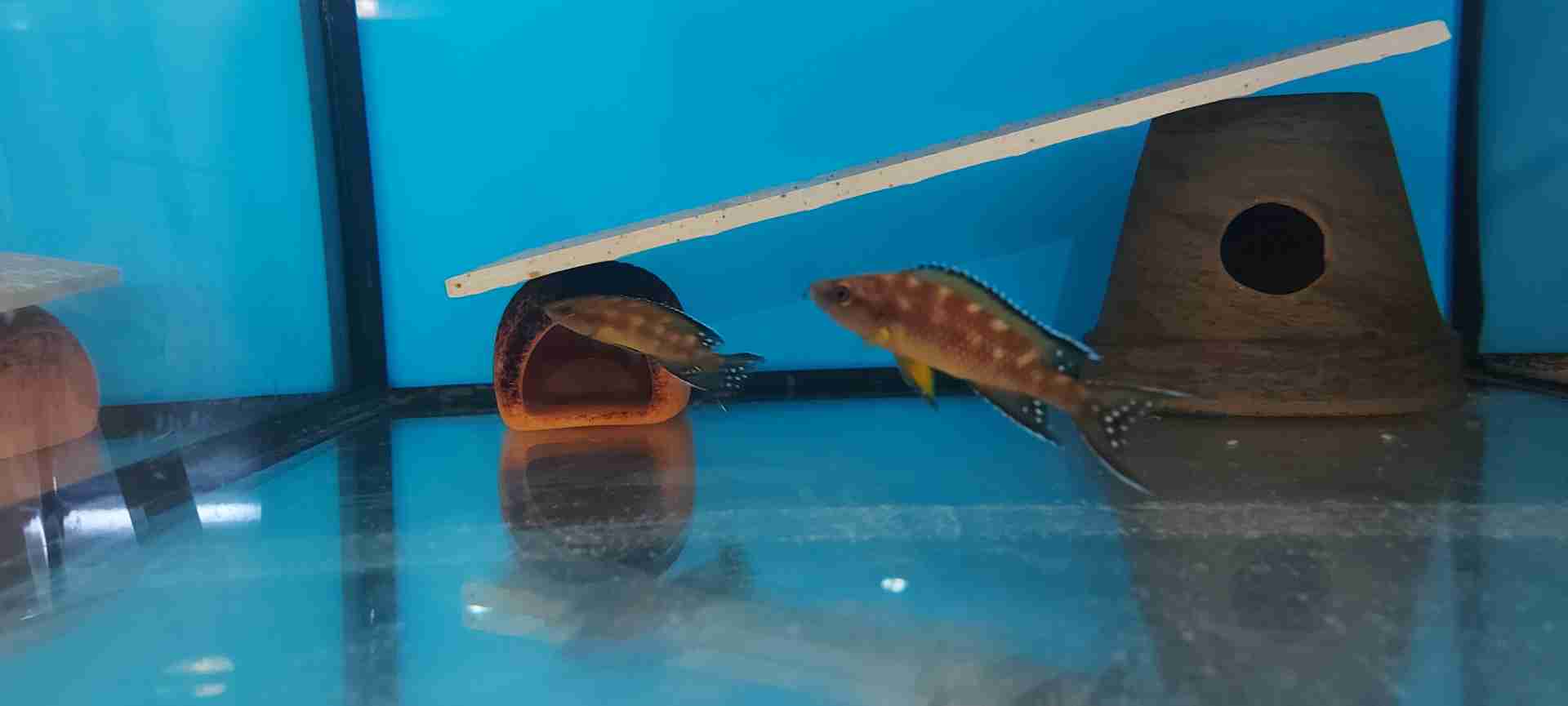
Neolamprologus Busheri Kamakonde F1
Neolamprologus buescheri “Kamakonde” (often misspelled Busheri), a rare, deep-water Tanganyika cichlid prized by experienced keepers for its subtle beauty and unique behavior.
🐟 Neolamprologus buescheri “Kamakonde” — Species Description
📏 Size
Adult size: 9–11 cm (3.5–4.5 inches)
Slender but muscular bod...
More info
Description
tanganyika
Neolamprologus Busheri Kamakonde F1
Neolamprologus buescheri “Kamakonde” (often misspelled Busheri), a rare, deep-water Tanganyika cichlid prized by experienced keepers for its subtle beauty and unique behavior.
🐟 Neolamprologus buescheri “Kamakonde” — Species Description
📏 Size
Adult size: 9–11 cm (3.5–4.5 inches)
Slender but muscular body
Males slightly larger with longer fins
Slow-growing, long-lived for its size
🌍 Occurrence (Natural Origin)
Endemic to Lake Tanganyika, East Africa
Kamakonde locality:
Southern part of the lake (Zambian shoreline)
Habitat:
Deep rocky slopes
Typically found at 15–40+ meters
Lives in caves and vertical rock faces
Low-light, stable environments
N. buescheri is considered a deep-water specialist, which strongly influences its care.
🎨 Appearance
Base color:
Grey to beige body
Markings:
Horizontal rows of dark blotches
Pattern can look striped or spotted depending on mood
Fins:
Subtle blue or grey sheen
Often darker fin edges
Overall look:
Understated, elegant, and very “Tanganyika”
🍽️ Diet (Preferred Food)
In the wild:
Carnivorous micro-predator
Feeds on:
Small crustaceans
Invertebrates
Zooplankton drifting near rocks
In the aquarium:
High-quality carnivore or omnivore pellets
Frozen foods:
Mysis shrimp
Cyclops
Finely chopped krill
Feed smaller portions — prone to digestive issues if overfed
⚠️ Avoid fatty foods and feeder fish.
🧠 Behavior & Temperament
Shy, calm, and deliberate
Strongly territorial around its cave
Aggressive toward similar-shaped fish
Best kept:
As a pair
Or singly in a community of larger, calm Tanganyika species
Breeding pairs become very defensive
🏞️ Preferred Aquarium Conditions
Tank size:
Pair: 200 L (55 gallons) minimum
pH: 8.0–9.0
Hardness: Hard to very hard
Temperature: 23–25 °C (73–77 °F) — slightly cooler preferred
Substrate: Sand
Décor: Tall rock structures with deep caves
Lighting: Dim to moderate
Stability is far more important than “perfect” numbers.
🧾 Quick Summary
Feature Details
Scientific Name Neolamprologus buescheri
Locality Kamakonde
Lake Tanganyika
Adult Size 9–11 cm (3.5–4.5 in)
Diet Carnivorous
Temperament Shy but territorial
Difficulty Intermediate–advanced
⚠️ Compatibility Notes
Avoid mixing with:
Mbuna or Malawi species
Aggressive rock dwellers (Julidochromis marlieri, large Tropheus)
Small shell dwellers (predation risk)
Possible tankmates (large tanks only):
Cyphotilapia frontosa
Altolamprologus calvus / compressiceps
Calm open-water Tanganyika species (Cyprichromis)
🧠 Expert Tip
This species does not like disturbance. Frequent rescapes, bright light, or aggressive tankmates will keep it hidden and stressed. When settled properly, it becomes a calm, confident centerpiece fish.
Photos
tanganyika
Neolamprologus Busheri Kamakonde F1 1
 Luk&Raf