Fish details
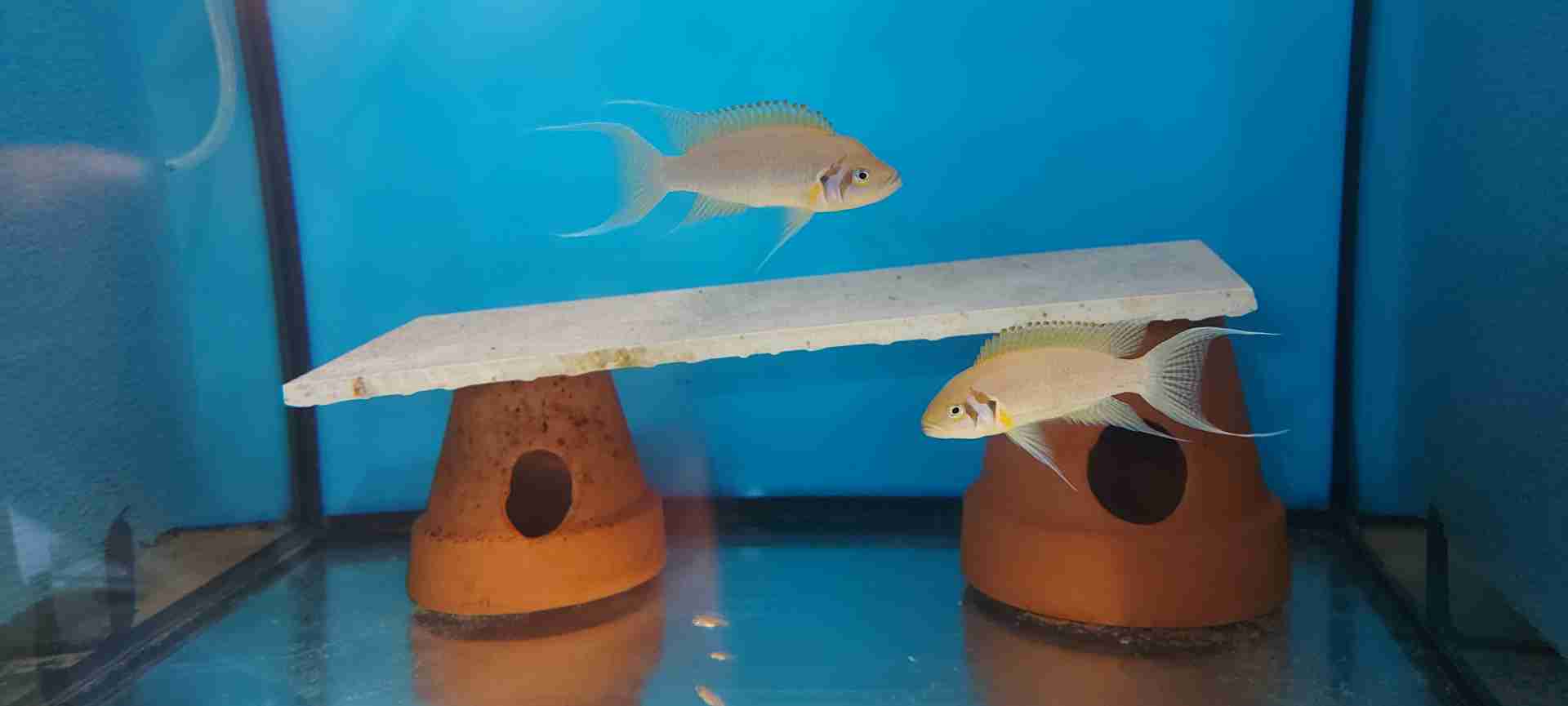
Neolamprologus Pulcher Daffodil F1
Neolamprologus pulcher “Daffodil”, one of the most popular and visually striking Tanganyikan colony cichlids, closely related to N. brichardi but with brighter coloration.
🐟 Neolamprologus pulcher “Daffodil” — Species Description
(Common name: Daffodil Cichlid)
📏 Size
Adult size: 8–10 cm (3–4 inches)
...
More info
Description
tanganyika
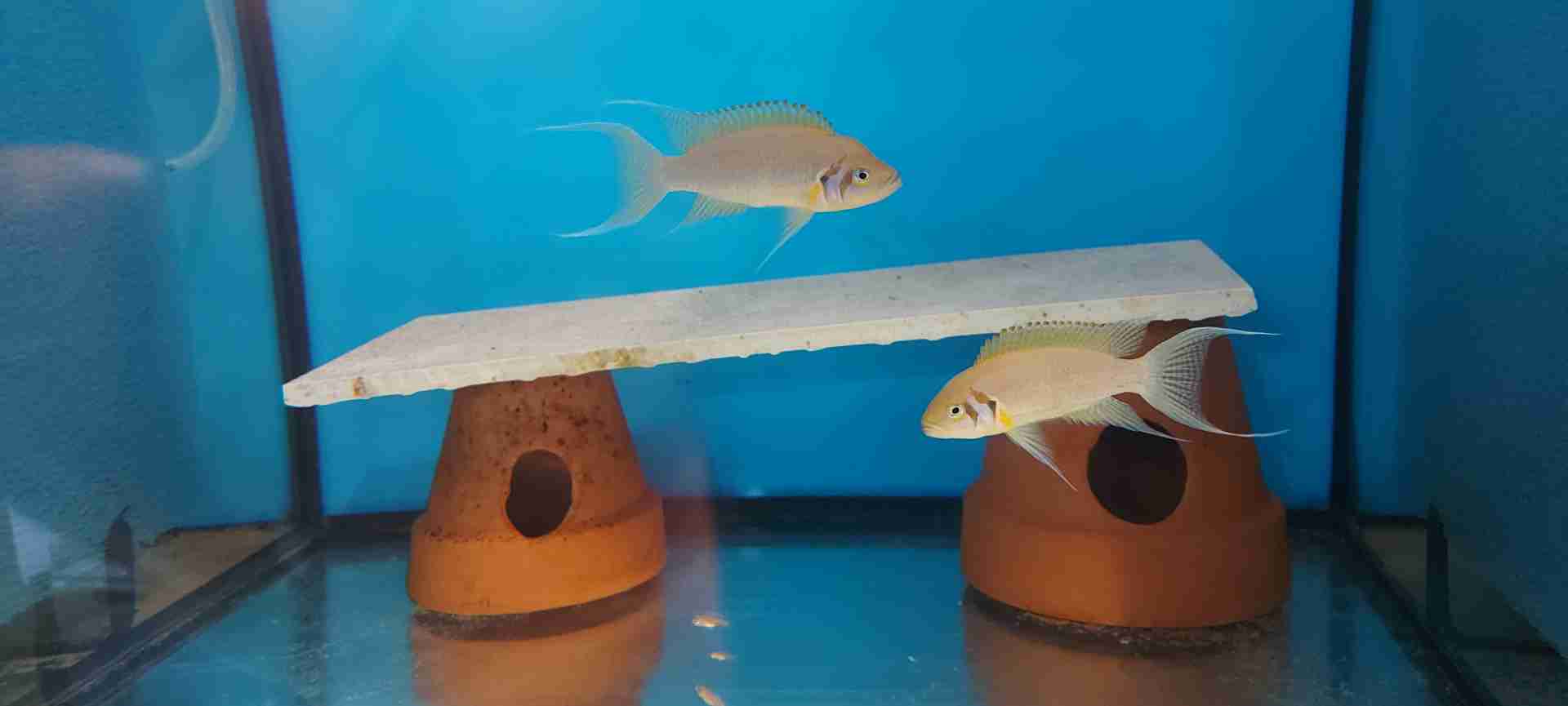
Neolamprologus Pulcher Daffodil F1
Neolamprologus pulcher “Daffodil”, one of the most popular and visually striking Tanganyikan colony cichlids, closely related to N. brichardi but with brighter coloration.
🐟 Neolamprologus pulcher “Daffodil” — Species Description
(Common name: Daffodil Cichlid)
📏 Size
Adult size: 8–10 cm (3–4 inches)
Slim, elegant body
Long, flowing fins
Males and females look very similar
🌍 Occurrence (Natural Origin)
Endemic to Lake Tanganyika, East Africa
“Daffodil” originates from:
Southern Zambia / Tanzania shoreline
Habitat:
Rocky slopes and rubble zones
Crevices and caves
Shallow to mid-depth waters
“Daffodil” is a well-established locality/population name, not a hybrid.
🎨 Appearance
Base color:
Bright yellow body
Markings:
Black eye stripe
Fins:
Long, flowing fins with blue and white edging
Color intensity increases with good diet and low stress
🍽️ Diet (Preferred Food)
In the wild:
Omnivorous plankton feeder
Feeds on:
Zooplankton
Small crustaceans
Insect larvae
In the aquarium:
High-quality small cichlid pellets
Frozen foods:
Mysis shrimp
Brine shrimp
Cyclops
Occasional vegetable-based foods
🧠 Behavior & Temperament
Highly social and cooperative breeder
Forms large family colonies
Older offspring help raise younger fry
Peaceful within the colony
Extremely territorial toward intruders
Best kept:
As a group (6+ fish)
In a colony-style Tanganyika tank
🏞️ Preferred Aquarium Conditions
Tank size:
Colony: 200 L (55 gallons) minimum
pH: 8.0–9.0
Hardness: Hard to very hard
Temperature: 24–26 °C (75–79 °F)
Substrate: Sand
Décor: Extensive rockwork with caves and vertical surfaces
🧾 Quick Summary
Feature Details
Scientific Name Neolamprologus pulcher
Variant Daffodil
Lake Tanganyika
Adult Size 8–10 cm (3–4 in)
Diet Omnivorous
Temperament Peaceful in colony, aggressive to outsiders
Breeding Cooperative colony breeder
⚠️ Compatibility Notes
Avoid mixing with:
Other Brichardi/pulcher variants (hybridization risk)
Small tanks with multiple cave spawners
Possible tankmates (large tanks only):
Cyprichromis
Altolamprologus
Calm open-water Tanganyika species
🧠 Expert Tip
Once established, Neolamprologus pulcher colonies can dominate an entire tank. Plan rockwork to give them vertical territory and leave open swimming space elsewhere.
Photos
tanganyika
Neolamprologus Pulcher Daffodil F1 1
 Luk&Raf